Introduce a Place
Do you grow or make tea in a place we should know about?
Origin Tea Selection is open to hearing from tea growers and makers anywhere in the world.
We do not begin with a product list, production capacity, or a tea sample.
We begin with the place.
The place comes first
Great tea begins before the leaf is picked.
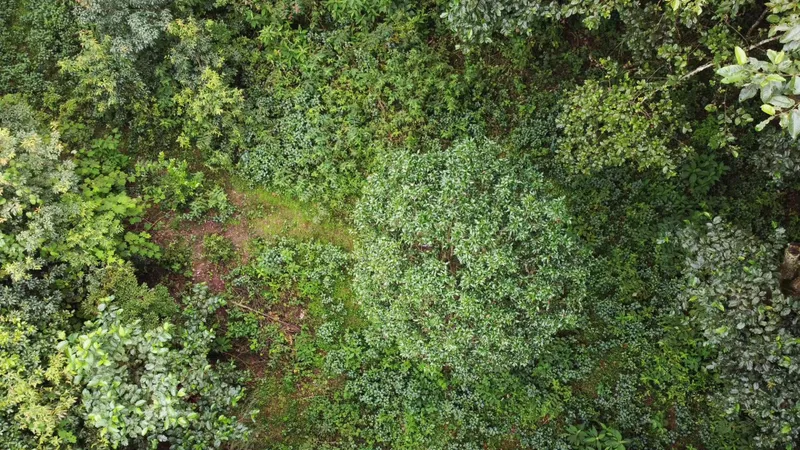
We look for mountain landscapes where tea grows as part of a living environment — shaped by soil, water, forest, weather, altitude, exposure, other plants, and the people who have learned to work within those conditions.
We are interested in places where tea has not been separated from its surroundings.
The question is not simply whether the tea tastes good.
The question is whether the place, the plants, the people, the work and the tea belong together.
What we look for
Mountain tea
We look primarily for tea growing in mountain landscapes, where topography, weather, forest and local microclimate still meaningfully shape the plant.
Altitude alone is never enough.
A living landscape
Healthy soil, clean water, surrounding vegetation, biodiversity and ecological continuity matter.
We are not looking for an isolated crop. We are looking for tea that belongs to a place.
Long-term knowledge
We value makers who have spent years — often generations — learning how to respond to their particular conditions.
Tradition matters most when it remains alive: observing, adjusting, learning, failing, refining and continuing.
Working with conditions, not against them
The best makers do not force every season into the same result.
They understand that weather, growth, harvest and processing change from year to year. The work should respond to those conditions rather than erase them.
Traceability
We need to be able to understand where the tea actually comes from.
Not only a country, province or famous tea region, but eventually the mountain, slope, garden, plot, group of trees or individual trees — and the people working with them.
Quality beyond tasting
We never select tea from taste alone.
A remarkable cup is not enough if the landscape, cultivation or working relationship behind it does not make sense.
We are not looking for volume
We are looking for places worth returning to.
A few kilograms can be enough.
There is no minimum annual production requirement. We do not need continuous supply. We do not ask a producer to make more tea because demand exists.
If a particular place produces only a very small amount, that is acceptable.
If the conditions in a particular year do not allow the right tea to be made, there may be no OTS offering from that place at all. That is also acceptable.
Availability follows the place and the harvest — never the market.
We observe before we select
We normally follow a place for at least two years before offering its tea.
One good tea or one good season tells us very little. We want to return. We want to see different weather, different harvests and different decisions. We want to understand the plants, the landscape and the people working there.
During this period, there is no promise that OTS will eventually offer the tea. The observation itself matters.
Introduced → Visited → Observed → Selected
Selection is never permanent. Every harvest is considered again on its own terms.
A place may remain one we follow while a particular year’s harvest is not offered.
What happens when a harvest is selected
Origin Tea Selection does not ask a place to become something else.
We do not prescribe a flavour profile, production target or commercial identity. We try to understand what is already there.
When a place, its people and its tea prove worth following, OTS can connect that harvest with tea drinkers who care about where tea comes from and how it came into being.
Our role is to make that connection clearer and more direct — without asking the landscape to produce for the market.
See clearly. Care deeply. Interfere lightly.
Not changing the world. Caring for one place at a time.
Tell us about your place
You do not need a polished presentation. You do not need export experience. You do not need large production.
We would rather understand the place clearly than receive a sales pitch.
If you grow tea, make tea, care for tea land, or know a place we should visit, tell us about it below.
Every introduction is read personally. If a place seems relevant, Renco, 林贺, will contact you directly.