Approach
Great tea cannot be understood from taste alone.
Origin Tea Selection begins with the place. We return to the same places over time, and we observe before we select.
Why we look this way
Much of today’s tea is shaped by speed, volume and market demand. The old words are still used. The old conditions often aren’t.
Quality cannot be separated from where tea grows, how it is worked, how much time it is given, and under what conditions it is made. When one of these shifts, something essential changes.
So we look for specific places rather than generalised styles. Good tea isn’t forced — it appears when the right conditions come together. Origin Tea Selection looks for places where exceptional tea can happen.
Our task is not to improve a place. It is to understand it well enough to recognise when something worth sharing appears.
How we work
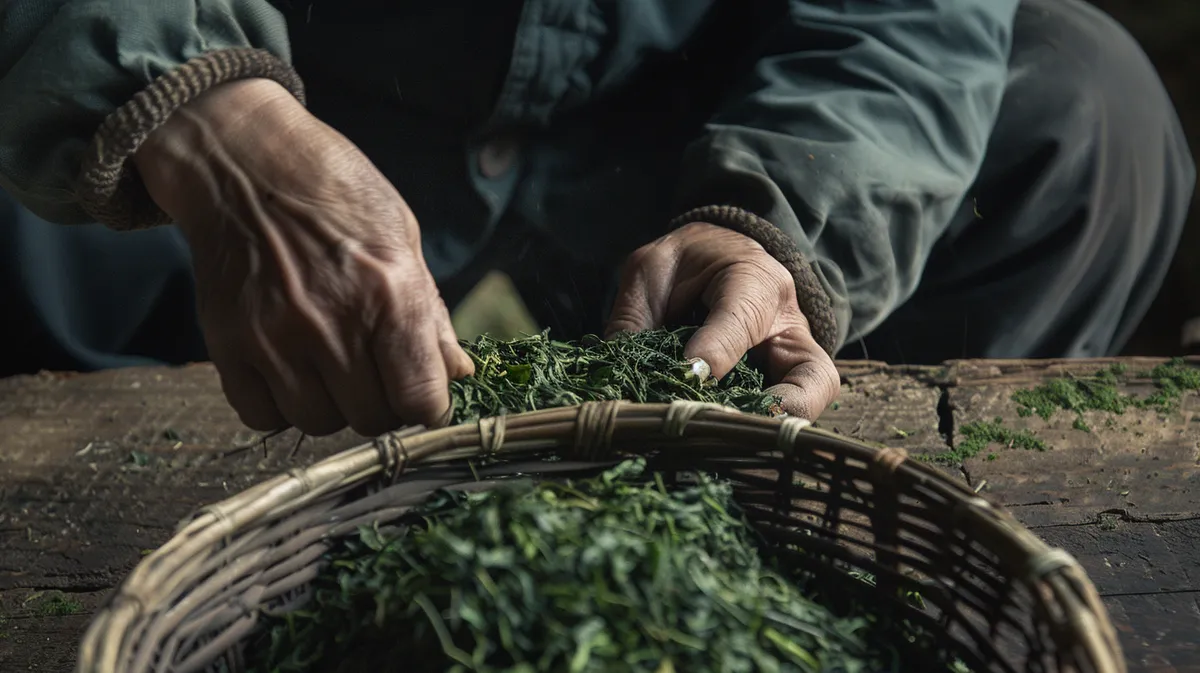
Most of this work happens in the field, not behind a desk. Returning to the same places. Working with the same people. Observing before acting.
Every year brings different weather, a different season and different decisions. What matters is rarely written down:
- how soil holds water
- how leaves respond to weather
- how timing changes processing
- how makers respond to the year they are given
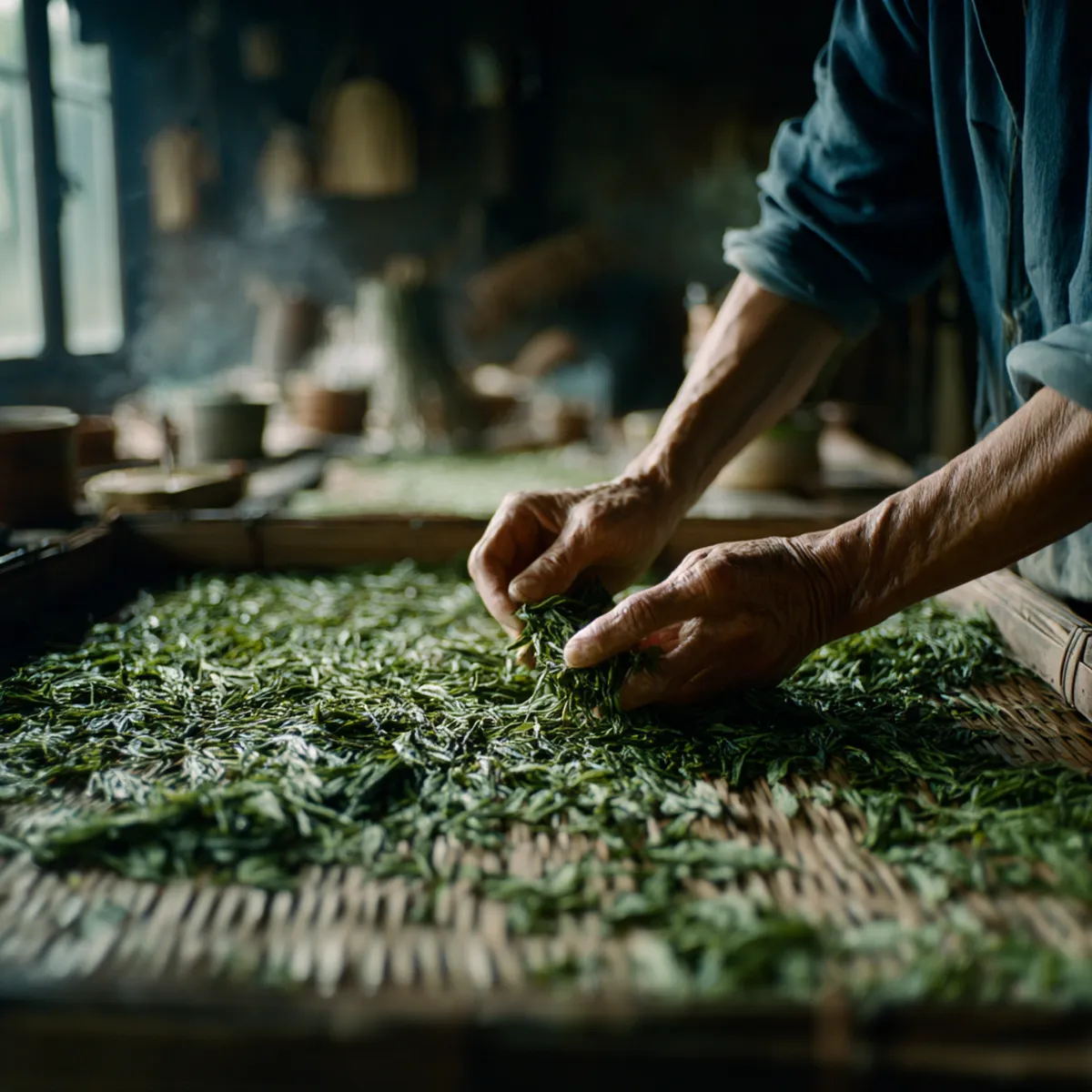
See clearly. Care deeply. Interfere lightly.
Observation before selection
We normally observe a place for at least two years before offering its tea.
One visit or one good harvest tells us too little. We return across seasons and years before deciding whether a harvest should be offered.
Selection is never permanent. Every harvest is considered again on its own terms.
Not every harvest is selected
A remarkable tree, a beautiful landscape or an experienced maker does not automatically produce exceptional tea. Each harvest is evaluated on its own terms.
We keep discovering places, visiting makers, tasting and evaluating harvests. Tea that meets our standard is offered. Tea that does not is still recorded, and we continue to follow the place.
Quality determines the pace. The calendar does not.
What matters
Quality cannot be separated from:
- the landscape, its soil and water
- the forest and vegetation around the tea
- the microclimate
- the plant itself
- the maker, and how the tea is processed
- the rhythm of the year
- the relationship, built over time
- traceability — to the plot, the trees and the people
Tea, true to its place.